
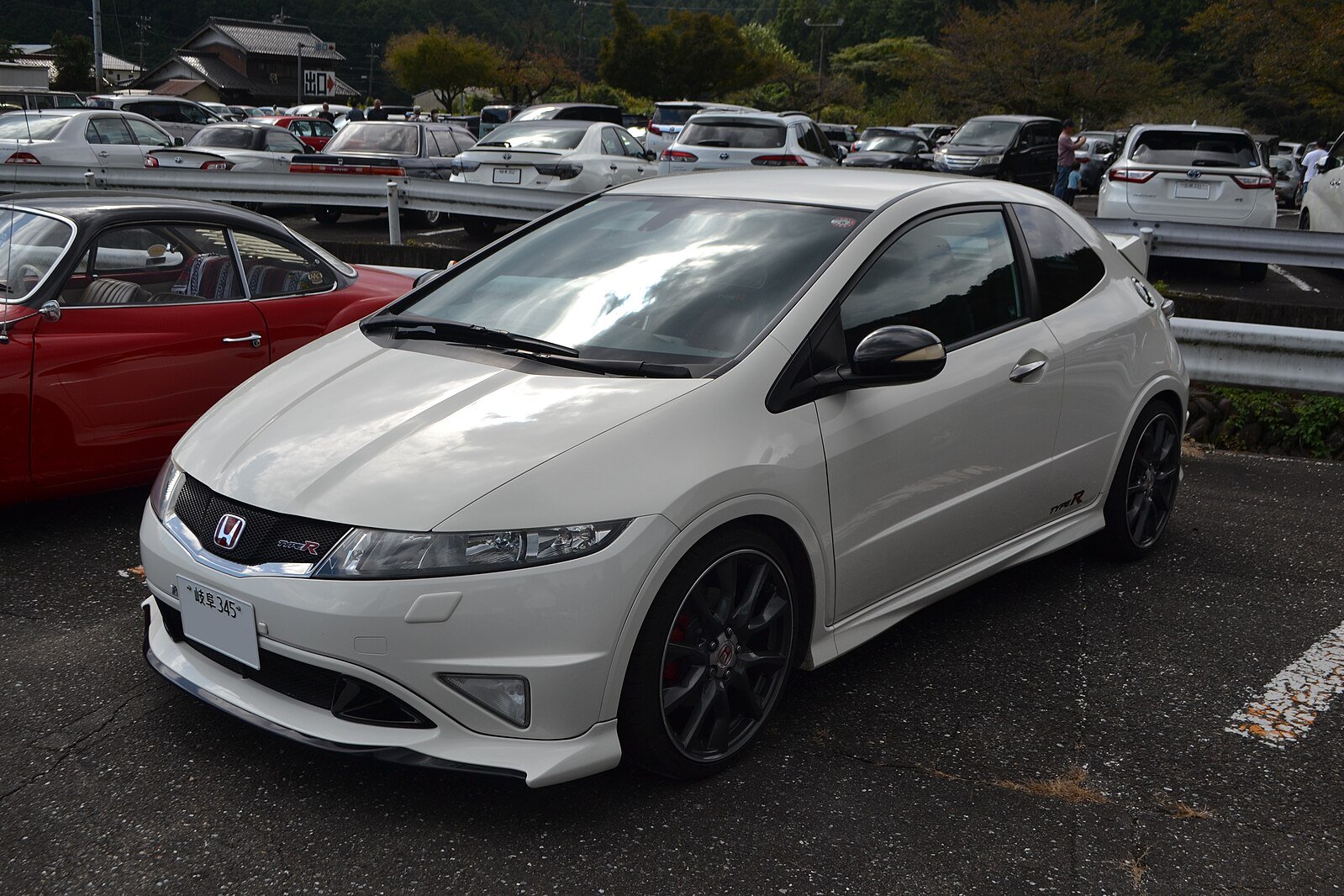
When you own a Civic Type R, there’s often a temptation to build it into a track weapon. But cars that excel on the circuit can be taxing on the commute. It’s important to understand the fundamental differences between a daily driver setup and a track‑focused build so you can decide whether to tune for comfort or lap times—or find a balance.
Suspension and ride height play a pivotal role. A daily Civic Type R will usually stick to the stock adaptive dampers or a mild lowering spring, preserving ground clearance and ride comfort over potholes. A track setup generally involves fully adjustable coilovers with stiffer spring rates and reduced ride height to lower the center of gravity. The downside is a harsher ride and increased scraping on rough roads.
Alignment and camber also differ dramatically. For everyday driving, the factory alignment settings minimize tire wear and keep the steering light. On the track, drivers dial in more negative camber and toe adjustments to maximise grip under heavy cornering. This improves mid‑corner stability but causes uneven tire wear if driven long distances on the street.
Tire and brake choices further illustrate the contrast. Daily drivers use performance street tires and OEM brake pads—balanced for longevity and wet grip. Track cars run semi‑slick or slick tires that heat up quickly and generate tremendous grip, supported by high‑temperature brake pads and stainless steel lines. These components require warm‑up laps to function properly and can be noisy or unsuitable for everyday use.
Then there’s NVH (noise, vibration and harshness) and interior comfort. Daily drivers prioritise a quiet cabin, full interior trim and soft bushings to isolate road noise and vibration. Track cars often replace rubber bushings with solid mounts, install chassis braces and remove sound deadening or rear seats to save weight. The result is a loud, raw experience that can be fatiguing on the street.
Finally, consider maintenance and wear. A street‑tuned Civic Type R follows factory maintenance intervals, with occasional fluid upgrades. Track sessions dramatically increase wear on tires, brakes and drivetrain components and demand frequent inspections, oil changes and fluid flushes after each event. Consumables like pads and rotors may need replacement every few track days.
Understanding these differences lets you build your Type R for your lifestyle. Many owners compromise with adjustable suspension and two sets of wheels—one for street, one for track. Whatever direction you take, be mindful of the trade‑offs so you get the most out of your Civic Type R on the road and the circuit.